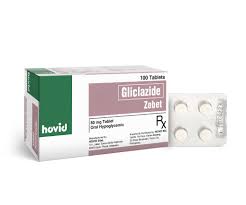
Zebet (Gliclazide 80mg) is a prescription-strength oral hypoglycemic agent belonging to the sulfonylurea class. It is specifically formulated to help manage and control high blood sugar in adults with Type 2 Diabetes Mellitus (Non-Insulin Dependent Diabetes).
Zebet works by stimulating the beta cells in the pancreas to increase the natural production of insulin. It also improves the body’s sensitivity to insulin in peripheral tissues, ensuring that glucose is effectively removed from the blood and used for energy. This dual action helps stabilize blood sugar levels throughout the day and reduces the risk of long-term diabetic complications.
Key Indications:
-
Type 2 Diabetes Management: Effectively lowers blood glucose levels when diet, exercise, and weight loss alone are insufficient.
-
HbA1c Reduction: Helps maintain target hemoglobin A1c levels to protect against nerve, kidney, and eye damage.
-
Flexible Therapy: Can be used as a monotherapy or in combination with other antidiabetic agents like Metformin.
Why Choose Zebet 80mg?
-
Proven Efficacy: Gliclazide is a gold-standard sulfonylurea known for its reliable blood-sugar-lowering capabilities.
-
Precision Dosing: The 80mg strength allows for tailored dosing—many patients start with 40mg (half a tablet) or 80mg, with the ability to scale up under medical supervision.
-
Quality Assured: Manufactured by Hovid Berhad, a world-class pharmaceutical company committed to high safety and quality standards.
Important Safety Information:
-
Take with Food: To minimize the risk of low blood sugar, always take Zebet with a meal (usually breakfast).
-
Hypoglycemia Awareness: Be alert for signs of low blood sugar, such as cold sweats, dizziness, tremors, and intense hunger. Always keep a quick source of sugar (like candy or juice) nearby.
-
Dosing Schedule: If your dose exceeds 160mg per day, your doctor will likely advise you to divide the total into two doses (one with breakfast and one with dinner).
-
Alcohol Warning: Avoid or limit alcohol consumption, as it can significantly increase the risk of severe hypoglycemia.